


Test HTML
Sport water bottles have evolved significantly since their humble beginnings in the early 1900s. Today, they come in various shapes, sizes, and materials to cater to different athletic needs, from gym-goers to marathon runners. This blog explores the history, types, benefits, and myths of sport water bottles, helping you make an informed choice for your hydration needs.
1. The Origins of the Sports Water Bottle
The concept of portable hydration goes back to the late 19th century, when college and professional sports teams started using large water containers to keep athletes hydrated during long games and practices. These early containers were made from metal or glass and were impractical for daily use.
In the early 20th century, a major innovation occurred with the introduction of smaller, portable bottles. Made from lightweight materials like aluminum and plastic, these bottles were a game-changer for athletes. By the 1970s, sports water bottles became ubiquitous as fitness culture began to rise in popularity. Today, they're essential equipment for anyone engaged in sports or physical activity.
2. Types of Sport Water Bottles
The modern sport water bottle comes in various forms, each designed for different needs:
-
Glass Water Bottles: Initially, sport water bottles were made from glass. Though they offered a clean taste, glass bottles were heavy and fragile, making them impractical for intense physical activities.
-
Plastic Bottles: In the 1970s, plastic became the material of choice due to its lightweight nature and durability. Today, plastic sport bottles remain affordable and popular, though it's important to choose BPA-free options to avoid harmful chemicals.
-
Stainless Steel Bottles: Stainless steel bottles have become increasingly popular for their ability to retain temperature. They keep drinks cold or hot for hours, making them ideal for long workouts or outdoor activities.
-
Collapsible Bottles: For those who need convenience, collapsible sport water bottles are perfect for travel. They are designed to shrink down when not in use, saving space in your bag.
-
Bottles with Built-in Filters: Many modern bottles come equipped with filters, ensuring that the water you drink is pure and free from contaminants, ideal for hikers or those on the go.

3. The Benefits of Using a Sports Water Bottle
Staying hydrated is key to maintaining good health, especially during physical activities. Here are some reasons why a sport water bottle is essential:
-
Hydration: The most obvious benefit is that it helps you stay hydrated during workouts, which improves performance and prevents dehydration.
-
Convenience: Having a water bottle with you allows for easy hydration during any activity, whether it's running, cycling, or yoga.
-
Temperature Control: With insulated bottles, you can keep your water cold for hours, ensuring that you always have a refreshing drink available.
-
Sustainability: Reusable water bottles are an eco-friendly alternative to single-use plastic bottles, reducing waste and helping the environment.
4. Myths About Sports Water Bottles
There are several myths about sport water bottles that need to be debunked:
-
Myth 1: Only athletes need sports water bottles.
Reality: Anyone can benefit from a sport water bottle, whether you're exercising or just going about your day. -
Myth 2: You don’t need to clean your water bottle regularly.
Reality: It's important to clean your bottle after each use to prevent bacteria buildup. -
Myth 3: Sports water bottles are expensive.
Reality: While some brands can be pricey, many affordable options are available that offer excellent durability and performance. -
Myth 4: All sport water bottles are the same.
Reality: There are many types of sport bottles designed for different activities, such as running, hiking, or cycling.
5. How to Choose the Right Sport Water Bottle
Choosing the right bottle for your needs requires careful consideration of the following factors:
-
Material: If you're looking for durability, stainless steel is the best option, while plastic is lighter and more affordable.
-
Size: Choose a size based on your activity. Larger bottles are great for long workouts, while smaller bottles are more convenient for shorter activities.
-
Ease of Use: Features like easy-to-open caps, built-in straws, and leak-proof designs make a bottle more user-friendly.
-
Insulation: If you're looking to keep your drink cold or hot for extended periods, insulated bottles are essential.
6. Top Water Bottle Recommendations
-
BUZIO Solo Series Wide Mouth Bottle (64oz): This bottle offers excellent temperature retention and a wide mouth design for easy filling and cleaning.
-
BUZIO Duet Series Insulated Water Bottles: Perfect for gym-goers, this bottle features a leak-proof straw lid and keeps drinks cold for up to 48 hours.
-
BUZIO Pop Series Tumbler (24oz): A budget-friendly option that keeps drinks cold for 9 hours and warm for 3 hours, with a convenient flip lid for easy sipping.
-
BUZIO TRIO SERIES Insulated Water Bottle: Ideal for active families, this bottle features multiple lid options and a handy carrying pouch.
-
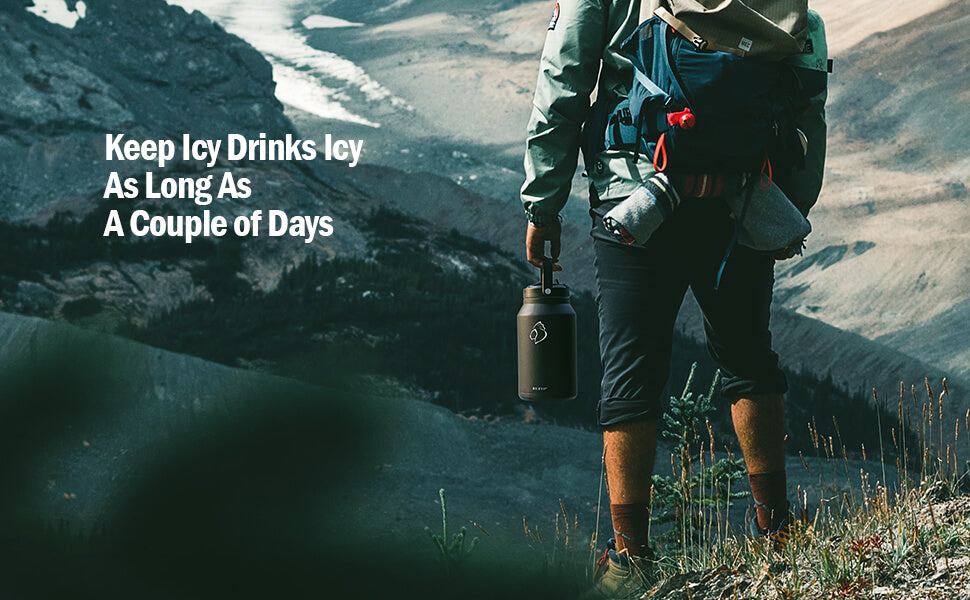
BUZIO Rock Gallon Series Water Bottle: For sports enthusiasts, this 1-gallon bottle is designed to keep you hydrated during intense activities and can withstand rough handling.

Conclusion
Sport water bottles have come a long way from their humble beginnings, offering modern designs and advanced features to suit every need. Whether you’re an athlete, outdoor enthusiast, or someone simply looking to stay hydrated, there’s a perfect water bottle for you. Make sure to choose one that fits your lifestyle and hydration needs to ensure you stay refreshed and ready for action.
Source: Buzio. (2022). Best Sport Water Bottle: History and Best Overalls. Buzio. Retrieved from https://www.buziolife.com/blogs/daily-use-guide/best-sport-water-bottle


